
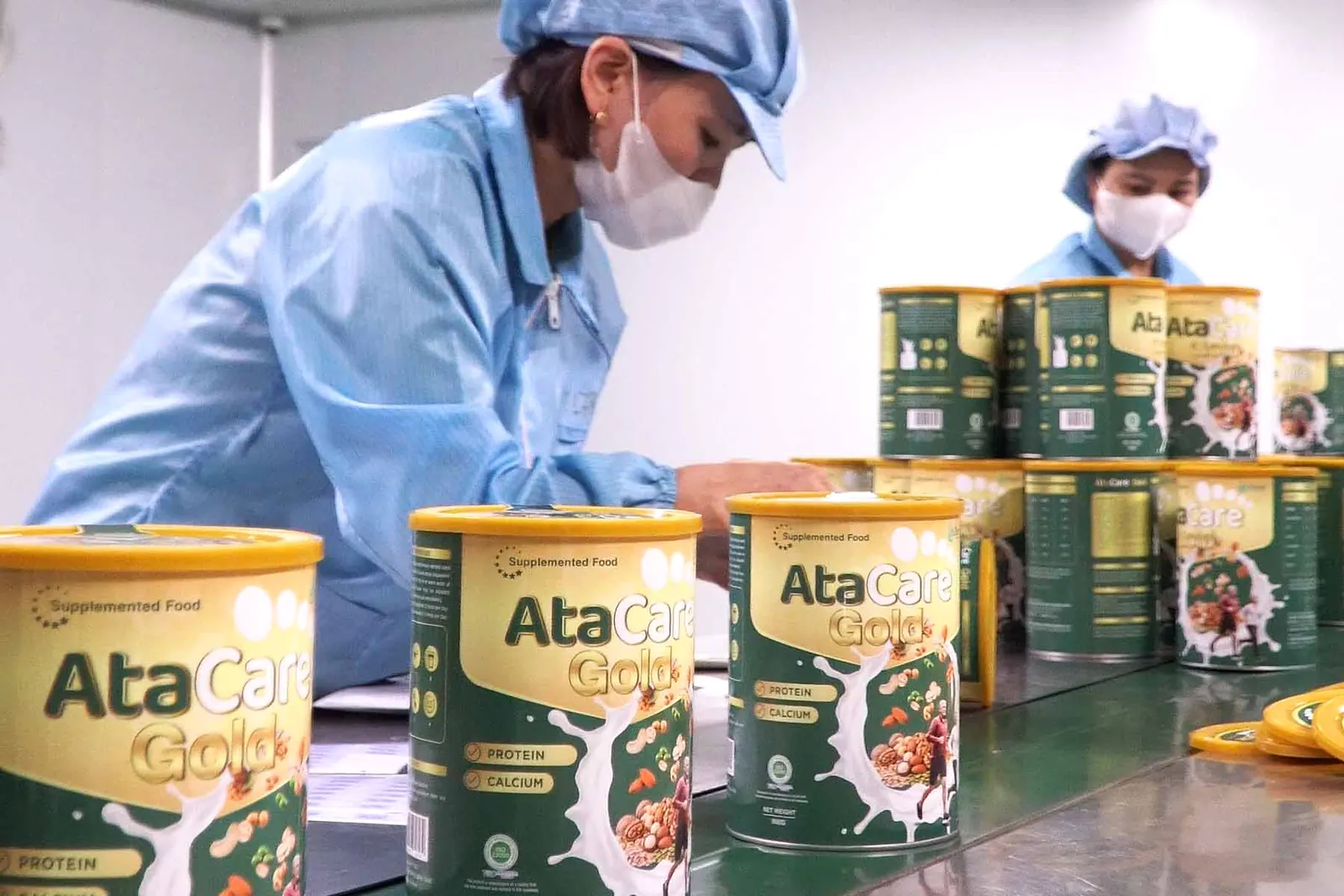
Separate technical minimum from economic production volume
A line may be able to run at a technical minimum, while a different volume produces more efficient unit economics. Understanding both helps the brand see what it is paying for flexibility.
Treat the first run as a learning cycle
For a new product without reliable sales data, the first run should generate learning about sell-through, repeat purchase, channel performance and product feedback—not merely inventory.
Translate units into weeks of inventory
Ten thousand cans can be modest for a large distribution network and excessive for an early-stage brand. Expressing volume as expected weeks of sales makes the risk easier to evaluate.
Plan the reorder point before stock runs low
Packaging lead times, production scheduling and inbound logistics can create a long replenishment cycle. Define a reorder trigger before launch rather than waiting until inventory is nearly depleted.
Use scenario planning for demand uncertainty
A base case, conservative case and upside case can show how quickly inventory converts into cash under different sell-through assumptions. This is often more useful than optimizing for the lowest possible unit cost.
The real minimum volume comes from several constraints
The finished-product MOQ is only the most visible number. Behind it are minimum quantities for specialized ingredients, printed packaging, cans and lids, labels, cartons and the operating limits of each manufacturing step. A line may technically run a small batch while printed packaging forces the company to buy far more material than the first production run requires.
When evaluating a quotation, ask which component drives the minimum volume and how leftover packaging or materials will be handled. Understanding the structure behind the MOQ shows which costs are unavoidable and which may be reduced through standard packaging, labels or a plan to reuse materials in later runs.
Use three sales scenarios to choose the first production run
Instead of relying on one sales forecast, build conservative, base and upside scenarios. For each scenario, calculate months of inventory, cash tied up in stock and the point at which a reorder would be needed. If the conservative case leaves inventory too close to shelf-life limits or consumes most of the launch budget, the first run may be too large.
A run that is too small can also raise unit cost and create stock-out risk. The objective is not the lowest possible MOQ, but a quantity that fits the company’s cash flow, sales capacity, shelf life and learning needs.
Include the inventory-learning cycle in the decision
The first commercial run is also a market-learning cycle. It should give enough time and stock to observe sell-through, repeat purchase, channel differences, consumer questions and operational issues without locking the company into an excessive quantity before the proposition is validated.
The first reorder should use this evidence to refine the next volume. A project becomes more efficient when production quantity is adjusted from real demand data rather than being treated as a fixed number inherited from the first quotation.
Clarify how leftover packaging and materials will be managed
Custom-printed packaging often creates residual stock after a production run. Before manufacturing, the parties should agree on ownership, storage conditions, usable life, re-use in later runs and what happens if artwork changes. This is especially important when the packaging MOQ is larger than the production MOQ.
Clear rules prevent hidden inventory costs and reduce disputes later. They also help the brand understand the real cash requirement of launching a product, beyond the quantity of finished goods that will be delivered.
MOQ should be treated as part of the overall project model. The objective is not the smallest or largest possible run, but a volume aligned with the partner’s market strategy and cash-flow capacity.