Protect ideas and formulations
The scope of confidential information is defined upfront. Where needed, both parties sign an NDA before detailed formulation, market strategy or commercial data is shared.

FROM IDEA TO MARKET
Zenut develops the product, manages project milestones and coordinates suitable manufacturing capabilities to turn an initial brief into a market-ready product.

WHAT TO CLARIFY FROM THE START
A nutrition-product project usually involves confidentiality, cost, documentation and timing at the same time. Zenut works with partners to clarify these factors early and select a more suitable project approach.
The scope of confidential information is defined upfront. Where needed, both parties sign an NDA before detailed formulation, market strategy or commercial data is shared.
Formulation, ingredients, format, packaging and volume are considered together with the target price so the development approach better fits the partner’s business model.
Testing, labeling, product documentation and export-related requirements are identified according to the product and target market instead of being left until the end of the project.
Sample development, packaging approval, production preparation and handover are connected in one roadmap so all parties can coordinate proactively and reduce avoidable rework.
OEM/ODM PROCESS
Depending on project readiness, some workstreams can run in parallel. Key milestones are finalized only when the required inputs are sufficiently clear.
Clarify the market, target users, need, positioning, sales channel, format and target price.
Discover the need → Define the briefAssess feasibility, ingredient/formulation direction, key constraints and the development approach.
Feasibility assessment → Product developmentDevelop samples, conduct sensory evaluation, capture feedback, refine and clarify the cost structure.
Samples → Evaluation → Cost structureCoordinate documentation, labeling requirements, packaging design, pack format and relevant market requirements.
Regulatory requirements & documentation → Packaging designPlan production, coordinate manufacturing-partner capacity, manage quality-control points and complete the finished product.
Production plan → Manufacturing → Quality controlHand over the finished product, support relevant launch needs, collect feedback and review the next batch, product improvements or new product development together with the partner.
Handover → Market feedback → Further developmentPARTNER SUCCESS FIRST
Zenut focuses on the long-term development of the partner’s product and brand. That requires formulation, packaging, quality, cost and market decisions to be considered as one system rather than handled in isolation.
PROJECT DELIVERY MODEL
Zenut participates from brief definition and product development through approval milestones and manufacturing coordination with strategic partners. The manufacturing approach and project conditions are selected according to the product and project scope.
PROJECT DELIVERY IN PRACTICE
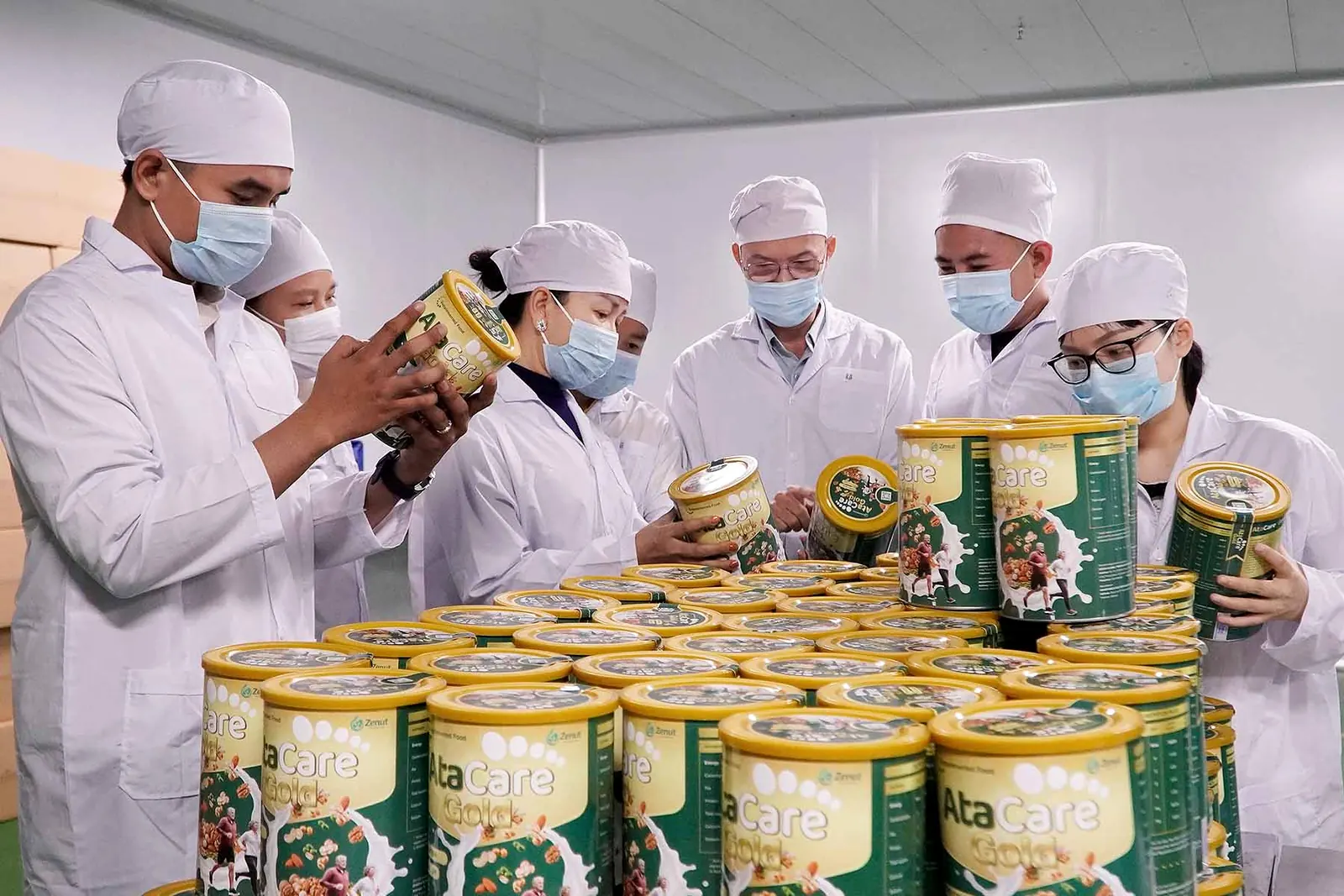
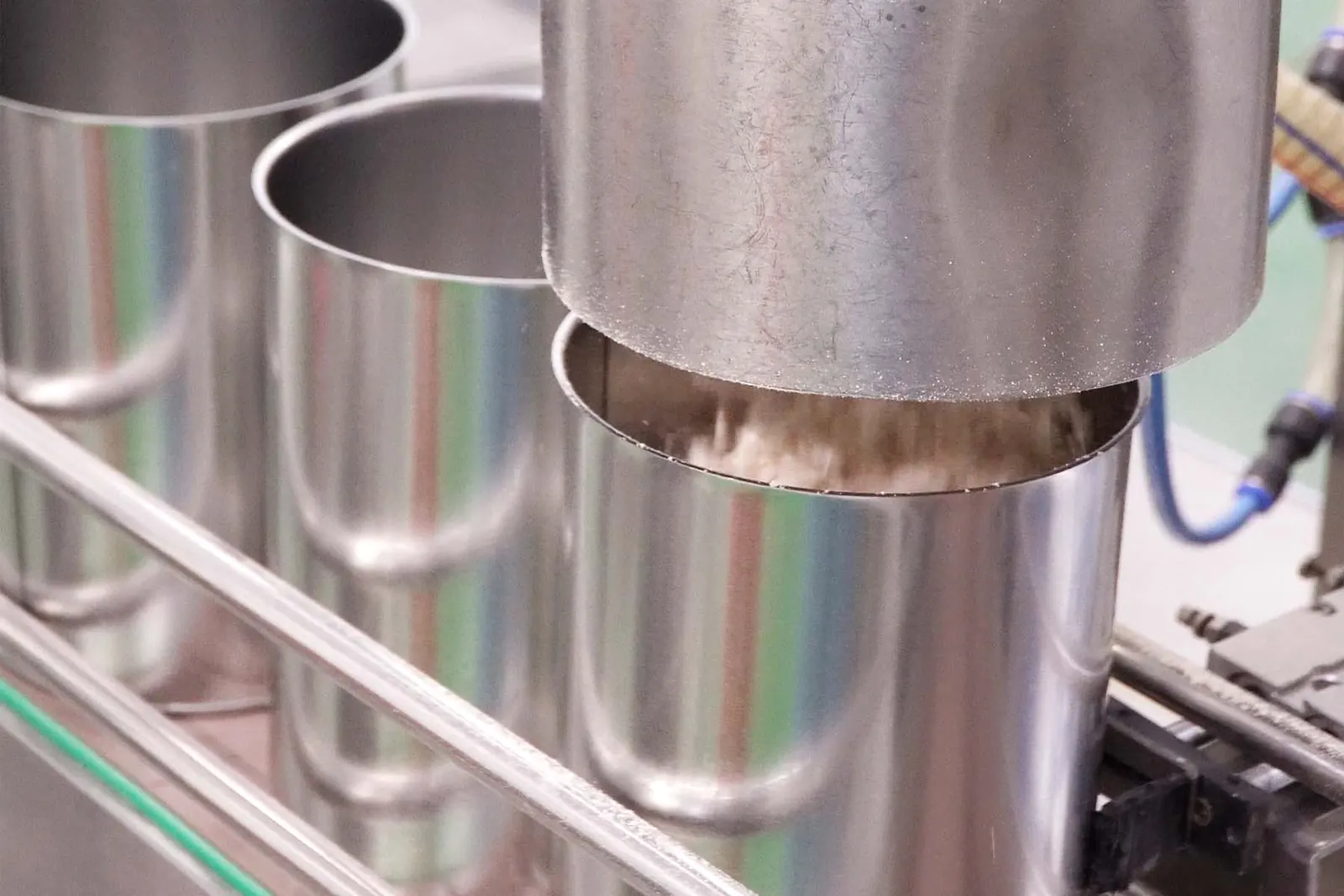
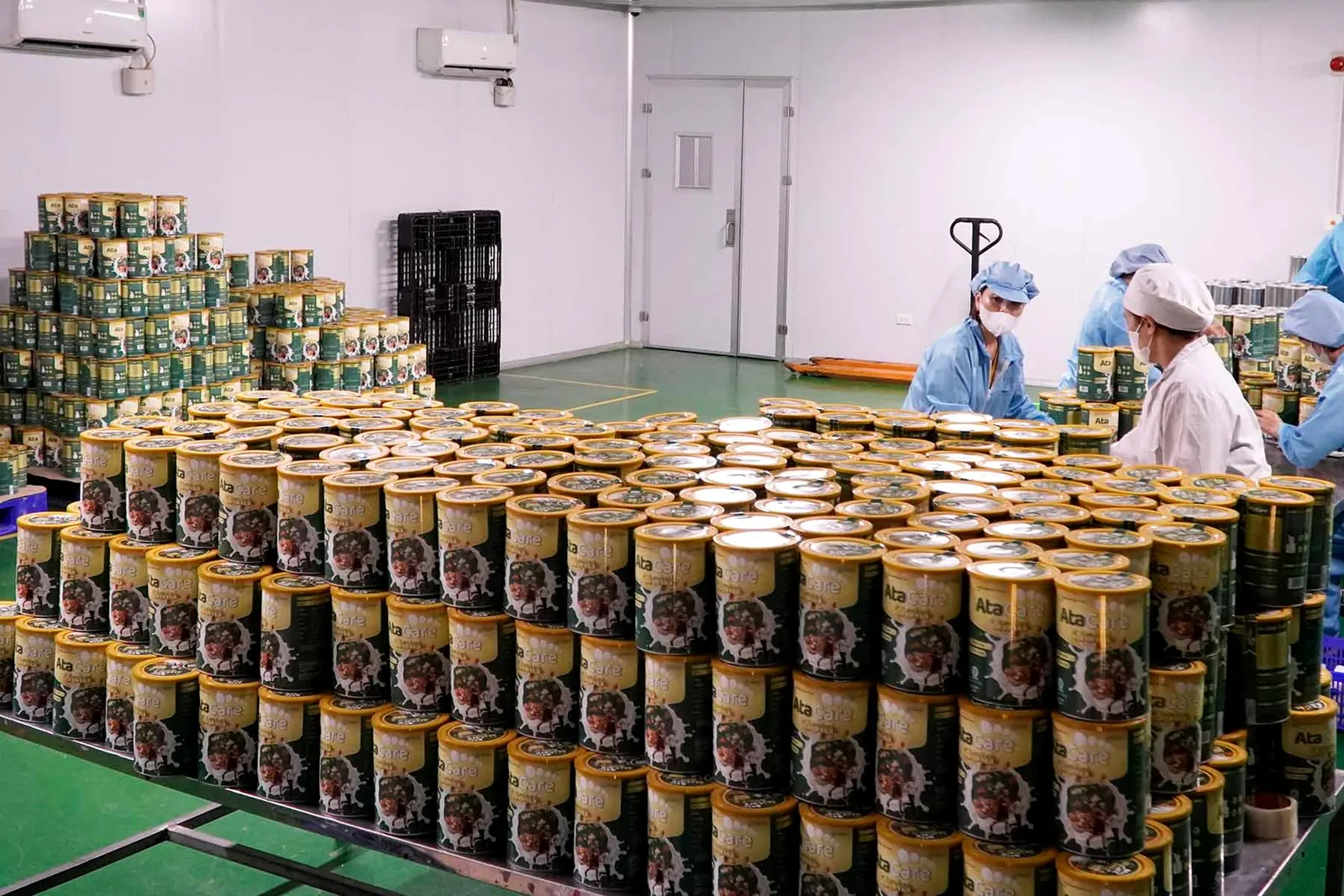
Each image represents a point in the project-delivery chain, from direction setting and ingredient preparation to packaging, inspection and finished-product handover.



PROCESS VIDEO

FREQUENTLY ASKED QUESTIONS
Project parameters are confirmed only when the development brief and manufacturing conditions are sufficiently clear. The answers below explain how Zenut approaches each issue.
The starting point differs by project. If a partner already has a formulation or detailed specification, the project may be more manufacturing-led. If the partner starts with a market opportunity, target consumer or product concept, Zenut can support product development before manufacturing coordination. Private-label projects are developed for the partner’s brand. Formula ownership, customization, confidentiality and exclusivity are confirmed according to the agreed project scope and contract.
The minimum order quantity depends on formulation, ingredients, packaging format, manufacturing conditions and the structure of each project. Zenut confirms an appropriate quantity once enough data is available to assess feasibility.
The timeline is confirmed after the development brief, scope of work, sample approvals, packaging design, documentation and manufacturing conditions have been aligned. Each project has its own roadmap, so timing is determined from actual project data.
Formulation ownership, usage rights, confidentiality scope and related terms should be clarified according to the project model and agreed by the parties before the project moves into deeper development.
Information on concepts, formulations, positioning, market plans and partner documents is treated as protected information. The scope of confidentiality, customer protection or exclusivity, where applicable, is agreed for each project.
Quality criteria, technical standards, testing requirements, documentation and control points are defined according to the product, destination market and agreed project scope. Supporting documents are shared at the appropriate level for the project.
Development cost and manufacturing price need to be evaluated together with formulation, ingredients, pack format, packaging, volume and market requirements. Meaningful pricing is possible once the main variables are sufficiently defined for a like-for-like assessment.
Requirements depend on the destination market and the importer’s role. Zenut works with the partner to clarify product, labeling, documentation, logistics and market-support requirements within the agreed project scope.
Scale-up should be considered early across ingredients, packaging, manufacturing capacity and demand planning. As demand forecasts become clearer, the conditions for subsequent production runs can be reassessed rather than assumed to remain unchanged.
PROJECT EVIDENCE
Nutri Fiber and AtaCare Gold have been issued Certificates of Free Sale (CFS) for export purposes and have finished-product test reports from independent laboratories. Zenut provides redacted public previews so prospective partners have an initial reference point before deeper project discussions.
PROJECT EVIDENCE
The product has been issued a Certificate of Free Sale (CFS), with Zenova Global identified as the exporter. The finished product has also undergone independent laboratory testing for the parameters shown in the public test report.
Public previews have been redacted to protect commercially sensitive information. More detailed documentation can be reviewed within the appropriate project scope.
PROJECT EVIDENCE
The product has been issued a Certificate of Free Sale (CFS), with Zenova Global identified as the exporter. The finished product has also undergone independent laboratory testing for the parameters shown in the public test report.
Public previews have been redacted to protect commercially sensitive information. More detailed documentation can be reviewed within the appropriate project scope.
DOCUMENTATION BY PROJECT STAGE
Information is shared according to need: public material for initial reference, technical documentation during detailed project evaluation, and commercial or formulation information under an appropriate confidentiality framework.
Redacted CFS previews, selected finished-product test-report pages and product images provide an initial factual reference.
As a project moves into deeper evaluation, fuller test documentation, relevant food-safety-system documents from the manufacturing facility and necessary technical materials can be reviewed within the agreed scope.
Formulation details, detailed composition, cost structure, supplier/manufacturing relationships and commercial terms are shared under appropriate confidentiality arrangements when the project requires them.
START A PROJECT
Even if the development brief is not yet complete, Zenut can start with the target market, product category and core need to identify the next questions to clarify.
QUICK SUPPORT
Zenut AI Assistant supports 24/7 inquiry intake across online channels. When deeper consultation or project follow-up is needed, the request is handed over to the responsible Zenut team.