
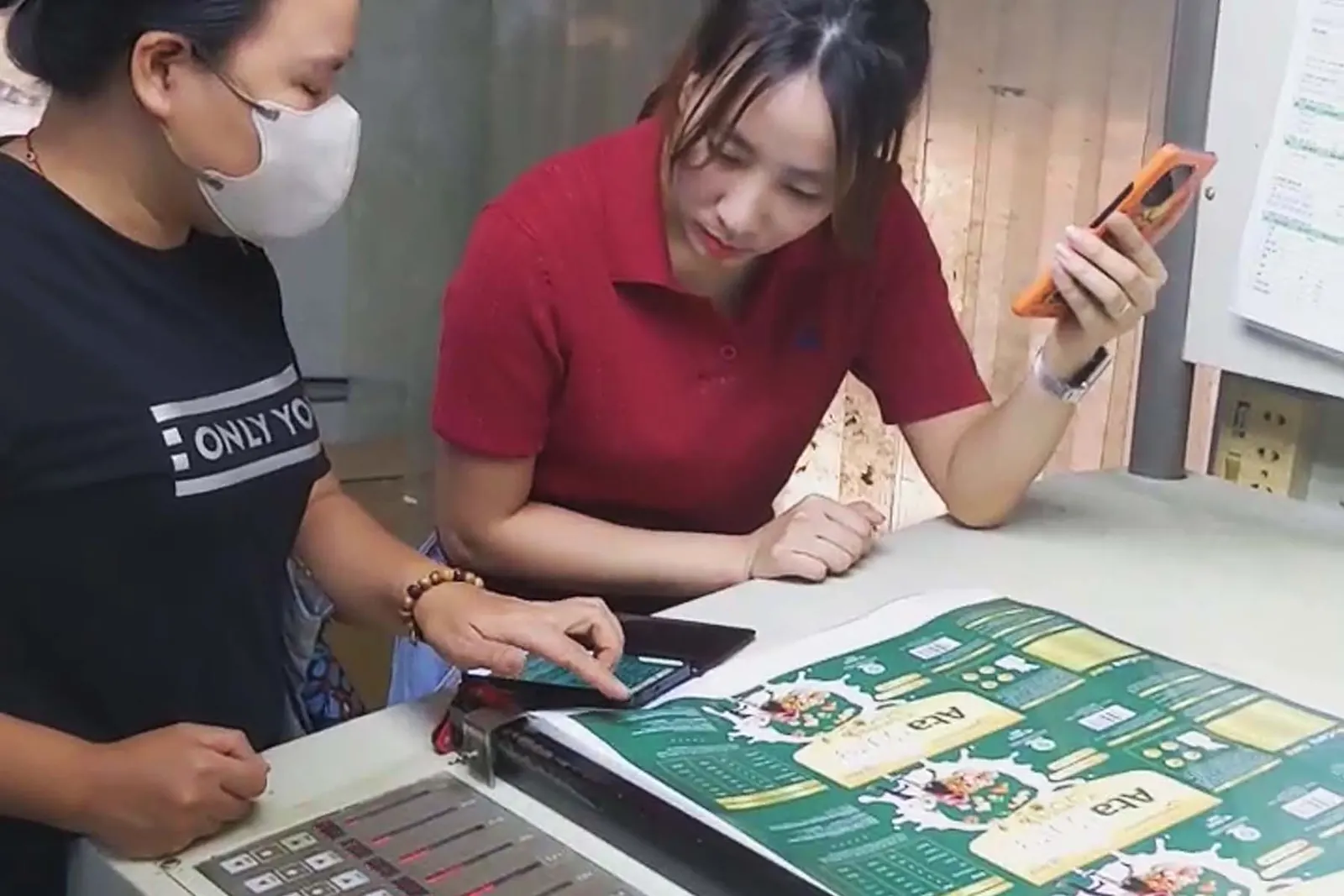
Lock the packaging structure before final artwork
Confirm the container type, dimensions, material, print method, closure and line compatibility before detailed design work begins. This reduces rework when technical constraints emerge.
Build label content from verified information
Ingredients, directions, net weight, responsible-party information and market-specific requirements should be managed from a controlled source. Avoid allowing design files to become the master technical record.
Run documentation and design in parallel
Once core product information is sufficiently stable, regulatory review, label structure and packaging development can progress together. Waiting for every formulation detail to be final can unnecessarily extend the timeline.
Control artwork versions carefully
Use clear file names, approval status and version history. A visually minor change can become commercially significant if the wrong file reaches the printer or production line.
Adapt the documentation set to the target market
Export projects may require different languages, importer details, supporting documents or product statements. These requirements should be identified before artwork is released.
Run packaging and documentation work in parallel with product development
Packaging should not wait until the formula is “completely finished” before work begins. Once the product direction is stable enough, the team can start defining pack structure, mandatory information, importer or distributor details, artwork dimensions and the documentation needed for the intended market. These workstreams can progress in parallel while final product data is still being confirmed.
The objective is not to print early, but to remove avoidable late-stage surprises. Packaging development should have clear hold points so variable data is inserted only after the relevant product information is verified.
Make label content follow product data
Ingredients, directions for use, nutrition information and other label statements should be checked against the actual formulation and target-market requirements. A project should not decide marketing statements first and then force the formulation to fit them.
Create one controlled source for product and label data, including version numbers and approval dates. This reduces the risk that artwork is prepared using an old formula, outdated importer information or assumptions that have not yet been verified.
Separate public documents from technical and confidential documents
Different information belongs at different access levels. Public previews can demonstrate that a product has real documentation. Detailed testing reports and technical records may be shared during project evaluation, while formulations, supplier relationships, cost structures and commercial terms should remain under the appropriate confidentiality arrangement.
This structure protects sensitive information without turning due diligence into a black box. A serious B2B partner should be able to understand what exists, what can be reviewed and under what conditions deeper material will be shared.
Plan change control before artwork is released
A small formulation or claim change after artwork approval can affect the ingredient list, nutrition panel, directions, warnings or regulatory wording. The team should define how changes are requested, who approves them and when the artwork becomes frozen for printing.
Once printing has started, changes can create obsolete packaging and delay the launch. Clear change control protects both cost and timeline, while still allowing necessary revisions before the final release point.
The most efficient projects treat formulation, packaging and documentation as connected workstreams with defined approval points rather than as a sequence of isolated tasks.